

Designers must comply with Regulation 9 of the Construction (Design and Management) Regulations 2015, and principal designers must meet Regulation 11 once a project involves more than one contractor. Before any design work begins, confirm in writing that the client understands its own duties, and record every appointment, including the principal designer’s, in writing.
TL;DR:
- The client must confirm their understanding of their duties in writing before any design work begins, and appointment records are essential to ensure compliance.
- The principal designer must be appointed in writing for projects involving multiple contractors, and they need real authority to effectively coordinate health and safety matters.
- Pre-construction information must be requested from the client at appointment, and residual risks and safety considerations should be documented early and kept live throughout the project.
- Ensuring competence involves providing evidence of experience and qualifications tailored to the specific project, with transparency about any skill gaps.
- Regular documentation of design changes, risks, and coordination efforts helps avoid common pitfalls and supports effective management of health and safety duties throughout the project.
Table of Contents
- Legal basis and the designer’s core duties under Regulation 9
- Principal designer duties and when the appointment is mandatory
- Practical steps: pre-construction information and the health and safety file
- Competence, skills and appointment: meeting the SKE test
- Common pitfalls and practical design-risk-management advice
- A practical note on meeting CDM duties on live projects
- How Xponexus Engineering supports design teams meeting CDM duties
- Sources
- FAQ
Legal basis and the designer’s core duties under Regulation 9
Regulation 9 sets out the baseline that every designer, from a sole practitioner sketching an extension to a multidisciplinary team on a large scheme, has to meet. The duty starts before a single drawing is issued: designers must not commence work on a project unless satisfied that the client is aware of its duties under the regulations. In practice, that means a short written confirmation, an email summarising the client’s obligations, or a signed appointment letter referencing CDM. HSE’s guidance for designers treats this as a genuine checkpoint, not a formality.
Once that awareness is established, designers must apply the general principles of prevention when preparing or altering any design, aiming to eliminate, reduce or control foreseeable risks to anyone building, maintaining, using or eventually demolishing the structure. That obligation runs through the whole design life, not just the construction phase.
Two further duties complete the picture:
- Pass relevant design information to the principal designer or, where none has been appointed, to the client.
- Contribute information to the health and safety file where the project requires one.
Working for a domestic client does not remove these duties, though responsibility for some of them can pass to the contractor or principal designer if that is agreed and recorded in writing.
Principal designer duties and when the appointment is mandatory
Regulation 11 makes the principal designer accountable for the pre-construction phase in a way no other dutyholder is. Once a project is expected to involve more than one contractor, the client must appoint a principal designer, and that appointment must be made in writing. Skip that step and the client inherits the principal designer’s duties by default, a point set out clearly in the regulations themselves.
The role’s core duties are:
- Plan, manage and monitor the pre-construction phase, adjusting arrangements as the design develops.
- Coordinate health and safety matters between designers, ensuring each one applies Regulation 9 properly.
- Help the client prepare and issue pre-construction information in good time.
- Ensure the health and safety file is prepared, kept current and handed over at completion.
HSE’s principal designer guidance is explicit that the role depends on genuine authority over the design team, not just a title on the appointment letter. A principal designer with no real influence over design decisions cannot discharge Regulation 11 properly, whatever the paperwork says.
Practical steps: pre-construction information and the health and safety file
Turning these duties into daily practice follows a fairly consistent sequence on most projects.
- Request pre-construction information from the client at appointment stage, covering existing structure surveys, asbestos registers, ground conditions and any known hazards, since this information is mandatory and forms the baseline for design decisions, as described in CHAS guidance on PCI.
- Record residual risks as they emerge and share them with the principal designer and principal contractor promptly, not in a single end-of-project document.
- Start compiling material for the health and safety file from the outset, capturing structural principles, maintenance requirements and any residual hazards left in the finished design, as HSE’s L153 guidance sets out.
- Document temporary works assumptions, construction sequencing constraints and future maintenance access needs as separate, traceable entries rather than footnotes on a drawing.
Pro Tip: Keep the health and safety file as a live document from the first design issue, not a retrospective exercise pulled together at practical completion.
Competence, skills and appointment: meeting the SKE test
Clients are expected to check skills, knowledge and experience (SKE) and organisational capability before appointing a designer or principal designer, and designers should be ready to demonstrate both.
- Provide CVs, project references and evidence of relevant experience for comparable schemes.
- Where the project scale warrants it, show SSIP or equivalent third-party pre-qualification.
- Set out organisational capability: available resource, quality procedures and how the design team will be coordinated.
- If a genuine competence gap exists, declare it openly and propose a mitigation plan, such as bringing in specialist support for a specific discipline.
Competence is not a one-off qualification check. It has to be demonstrable against the specific project, and a gap left unaddressed is far harder to explain after an incident than before appointment.
Common pitfalls and practical design-risk-management advice
Most CDM enforcement issues trace back to a handful of recurring failures rather than genuinely novel hazards.
- Client awareness of duties is assumed rather than confirmed and recorded in writing.
- The principal designer appointment happens late, often after concept design is largely fixed.
- Pre-construction information is thin, generic or arrives too late to influence design decisions.
- Temporary works risks and other less visible hazards get missed because reviews focus only on the finished structure.
Good design risk management, as recommended by the Institution of Civil Engineers, treats these as avoidable through structure rather than vigilance alone. Early, collaborative design reviews catch risks while they are still cheap to redesign out. A versioned risk register, updated with each design revision rather than rewritten from scratch, keeps a clear audit trail. Classifying risks by origin, construction stage and effect on future maintenance, a practice ICE’s practitioner guidance points to, also helps surface the soft hazards that generic checklists miss.
Pro Tip: Notify the principal designer and principal contractor of any material design change within days, not at the next scheduled progress meeting.
A practical note on meeting CDM duties on live projects
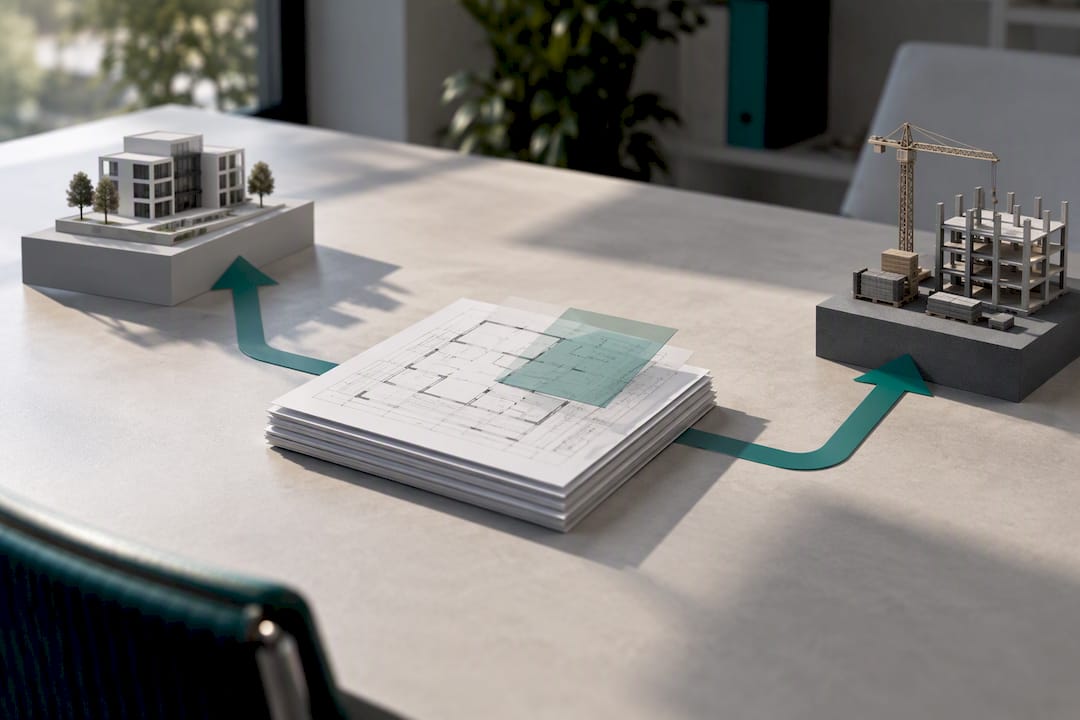
Appointing the principal designer at concept stage, rather than once planning permission is close, consistently produces smoother pre-construction phases: risks get designed out while changes are still cheap. Competence evidence and clear documentation, gathered as you go rather than reconstructed later, are what actually prevent disputes when something goes wrong. One habit worth keeping above all others: log residual risks properly as you design, because whoever maintains the building in ten years will only have what you wrote down.
— Mohammed
How Xponexus Engineering supports design teams meeting CDM duties
Meeting Regulation 9 and Regulation 11 well depends on having enough qualified capacity at the right moment, not just the right procedures. Engineering firms can embed structural and civil engineers directly into their workflows, producing calculations, drawings and CAD/BIM outputs aligned to UK standards and Eurocodes, the kind of review-ready documentation that supports SKE evidence and health and safety file content.

- Remote engineering support that adds qualified capacity without a permanent hire or recruitment fees.
- Structural engineering and structural reports that feed directly into design risk documentation and the health and safety file.
- Civil engineering, drainage and CAD/BIM services covering the wider deliverables a principal designer needs coordinated across disciplines.
Kick-off can start quickly and may include NDA protection, so before proceeding, have your pre-construction information, scope and appointment dates ready. Check availability for your project.
Sources
- The Construction (Design and Management) Regulations 2015: Regulation 9
- Designers: roles and responsibilities – HSE
FAQ
What are the duties of a designer under the CDM regulations?
Designers must not start work until satisfied the client is aware of its own duties, and must apply the general principles of prevention to eliminate, reduce or control foreseeable risks when preparing or altering designs, as set out in Regulation 9. They must also pass relevant information to the principal designer and contribute to the health and safety file.
What are the client duties under CDM 2015?
Clients must make suitable arrangements for managing a project, including appointing a principal designer in writing wherever more than one contractor is expected. If a client fails to appoint one, the regulations place the principal designer’s duties on the client instead.
What are the roles and responsibilities of a designer?
A designer’s core responsibility is to make health and safety decisions embedded in the design itself, addressing risks to those who will build, maintain and use the structure, not just satisfy a paperwork requirement. HSE’s designer guidance frames this as an integral part of the design process rather than a separate compliance step.
What are the responsibilities of a building control principal designer?
Under CDM 2015 the principal designer plans, manages, monitors and coordinates health and safety through the pre-construction phase, ensuring other designers follow Regulation 9 and that pre-construction information and the health and safety file are properly assembled, per Regulation 11. This role is distinct from building control, which checks compliance with building regulations rather than CDM.
Leave a Reply